Frontier's 71% fare jump shows what 'budget' means once Spirit is gone
Frontier's fare revenue per passenger jumped from $39.74 to $67.82 and passengers still rose 18%. Fuel is a real excuse, but the quarter shows a budget airline finding pricing power.
By Connor O'Brien ·
Why it matters: Frontier is America's biggest budget airline. If its fares keep rising with Spirit gone, travelers who count on cheap seats could face fewer low-cost options.
For information only, not investment advice. Prices delayed.
Tickers: ULCC
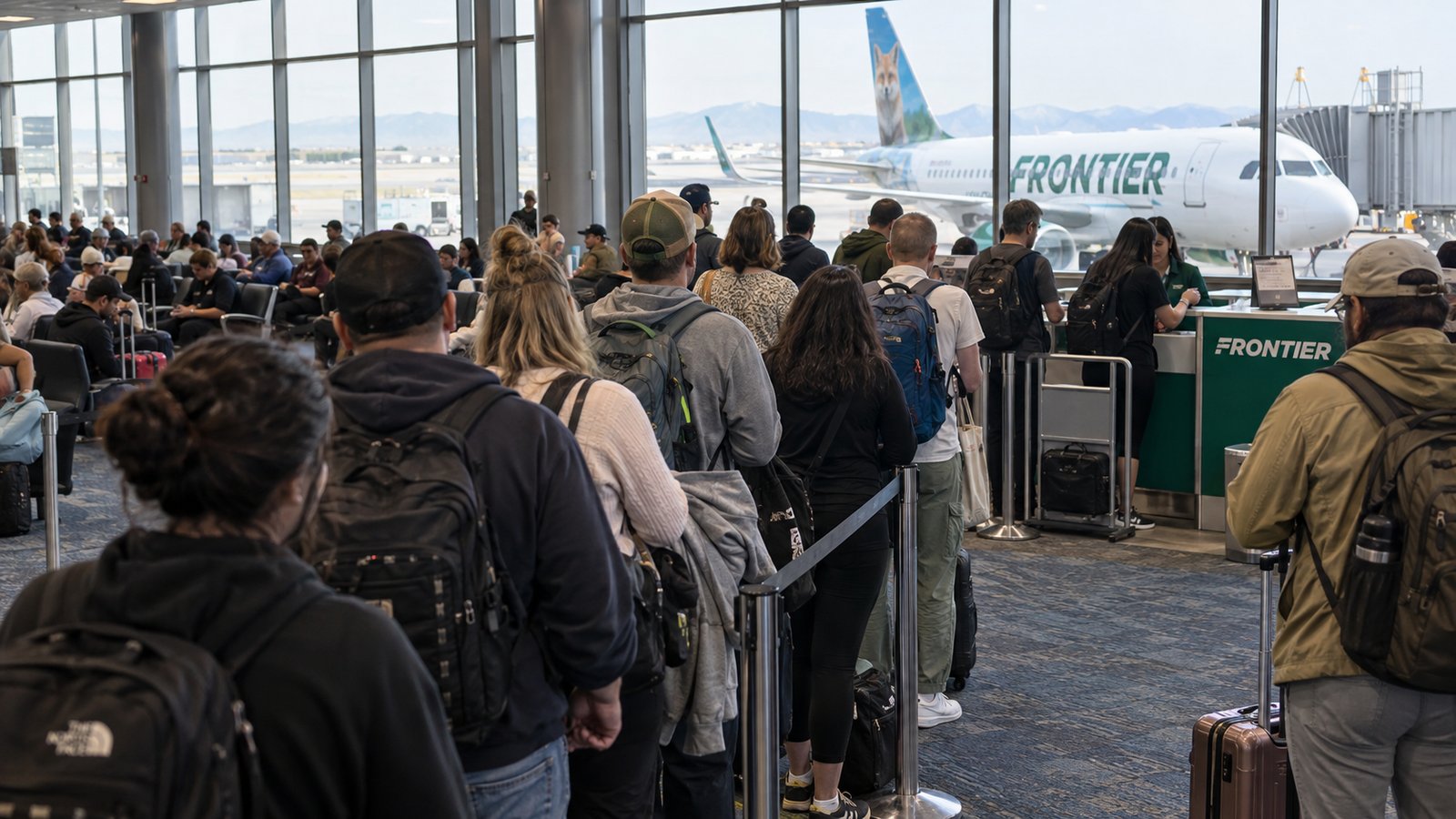
Frontier Group Holdings ($ULCC), the parent of America's biggest budget airline, just told us what "budget" is worth when the competition thins out. CNBC reports that Frontier's fare revenue averaged $67.82 per passenger in the third quarter, compared with $39.74 a year earlier, a 71% increase. Passengers didn't flinch: the count rose 18% to more than 9.8 million.
Frontier's own release still describes itself this way in its 'About Frontier Airlines' boilerplate: “With a growing network and continued investment in product upgrades, including the introduction of First Class seating, onboard Wi-Fi and enhanced loyalty benefits, Frontier is giving customers more comfort, flexibility, and rewards while keeping fares low.”
Here's my read: Frontier has discovered pricing power, and the word "budget" is turning into a brand more than a promise. Pricing power isn't a scandal. But the people who pay for it are the travelers who picked Frontier because it was cheap, and they deserve to have it named.
Why now
CNBC notes that Frontier had already eclipsed Spirit Airlines as the country's biggest discount carrier even before Spirit collapsed in May. I can't prove how much of the fare jump comes from Spirit's exit, and no source in front of me measures it. But one fewer rival in the cheap seats is the kind of change that lets a carrier test what customers will pay. The test went well: revenue per available seat mile rose 30% on 18% more capacity, with a 79% load factor, per the release.
CEO Jimmy Dempsey framed it as execution: “The Company delivered record revenue of $1.4 billion, up 53 percent versus the prior year, due to strong travel demand and the continued progression of the Company's revenue management initiatives, while maintaining cost discipline.”
The best case for Frontier
Now the strongest version of the other side, and it's strong. Jet fuel is brutal. Frontier's fuel bill rose 82% to $425 million, at an average of $3.96 a gallon, up 56%. The release puts that at about $150 million of extra expense in the quarter, and it expects fuel at $4.75 a gallon in the fourth quarter. CNBC reports that carriers from Delta to Frontier say record fuel prices, their biggest cost after labor, are eroding profits.
And Frontier isn't swimming in money. It widened its GAAP loss to $104 million from $77 million. Its adjusted profit was $40 million, after setting aside $134 million of non-recurring charges from returning 13 A320neo jets early. Its fourth-quarter outlook runs from an adjusted loss of 15 cents a share to earnings of up to 5 cents. On those numbers, higher fares look like survival, not gouging.
I'll grant most of that. Dempsey himself says “Frontier's revenue execution in a higher than expected fuel environment resulted in an adjusted profit, meaningfully above the Company's guidance and Wall Street estimates,” and a carrier that barely clears adjusted break-even isn't fleecing anyone on purpose.
Where I land
But a reason to raise prices and the power to make them stick are different things, and Frontier showed both. Fuel explains why it needed higher fares. The 18% jump in passengers shows it could charge them. Frontier itself expects fourth-quarter unit revenue to be up over 20% again.
So here's my test. If fuel eases and Frontier's fares come down with it, I'm wrong, and this was cost pass-through. If they don't, then "keeping fares low" is a slogan from a market that no longer exists, and travelers should read the price before the brand.
Sources
Tags: earnings · retail-consumer